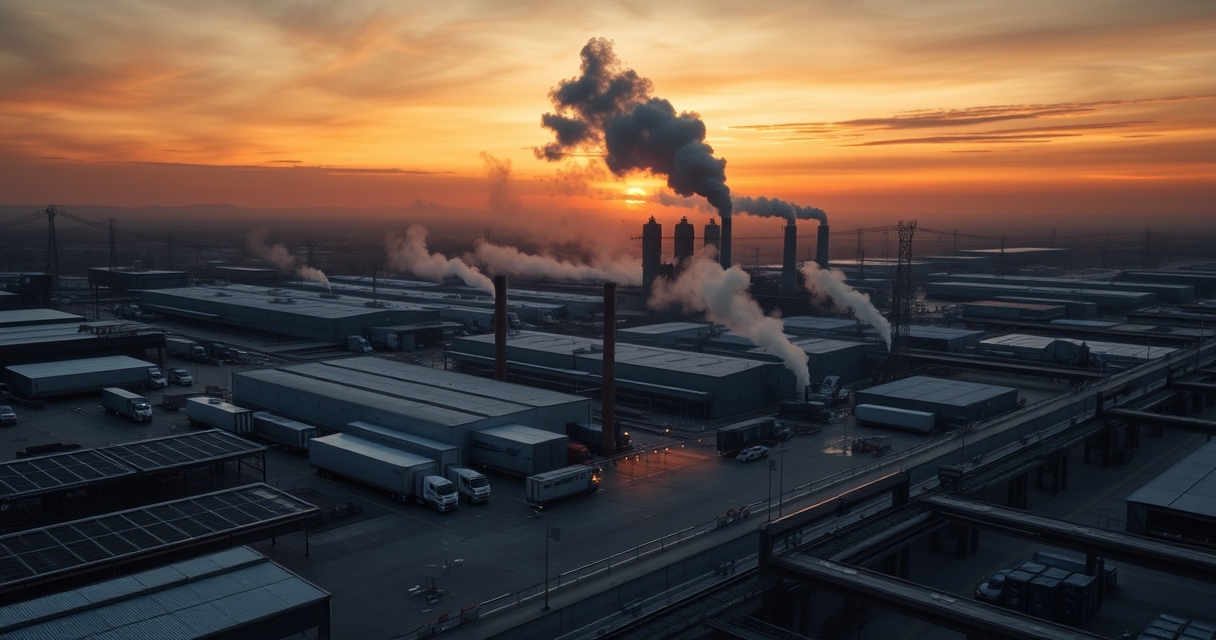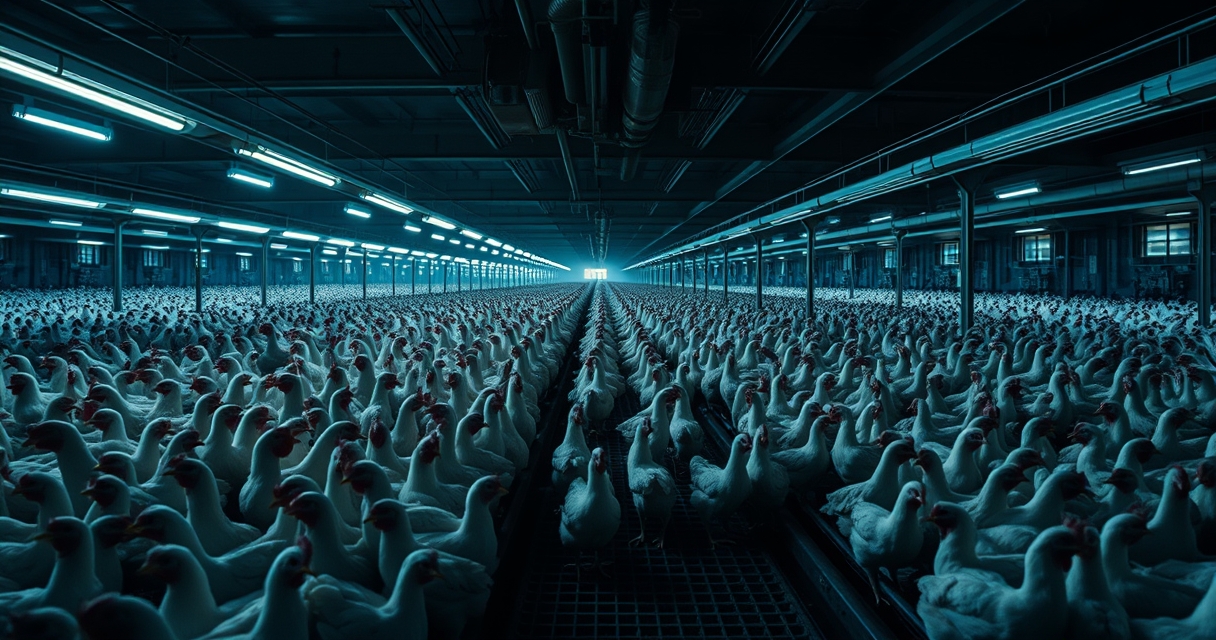
The factory farm is not an aberration. It is the logical conclusion of treating life as a production problem. Every efficiency gain in industrial animal agriculture — the growth hormones, the confinement systems, the selective breeding for maximum muscle mass at minimum metabolic cost — follows directly from capital's drive to reduce the turnover time between investment and return. The chicken that lives 42 days before slaughter, compared to the 84 days a heritage breed requires, is not evidence of cruelty as a character flaw in individual farmers. It is evidence of cruelty as an accounting entry.
When we argue that the food system needs to change, we need to be precise about what kind of change we mean — and precise about what produced the system in the first place.
The Commodity Form Applied to Life
Karl Marx described the commodity as an object produced for exchange rather than direct use — and argued that the commodity form conceals the labor relations embedded in its production. When you buy a chicken breast wrapped in plastic, the commodity form does its work: the confined warehouse, the antibiotic regime required to prevent disease in densely crowded birds, the slaughterhouse line running at 140 birds per minute — all of this is invisible. What you see is a price.
What the commodity form conceals in animal agriculture is not only labor (though meatpacking workers — disproportionately immigrant and undocumented, as we address in our companion piece on migrant labor — are among the most exploited workers in any industry). It also conceals sentient experience. The animal is rendered as unit of production: a conversion ratio of feed to protein, a growth curve plotted against a slaughter date. The suffering that the confinement system requires is externalized — priced out of the market, treated as a cost that society, not the producer, will absorb through antibiotic resistance, environmental contamination, and zoonotic disease risk.
The 2006 FAO report Livestock's Long Shadow estimated that the livestock sector generates roughly 18% of global greenhouse gas emissions — more than the entire transport sector. A later 2013 FAO update revised the figure to approximately 14.5%, using a different life-cycle methodology. Either figure represents a massive externalized cost. The market price of a kilogram of beef does not include the climate damage embedded in its production. If it did, the economics of industrial animal agriculture would collapse.
This is the point. The system is profitable precisely because the costs are shifted elsewhere.
The Consolidation of Killing
Four companies — JBS, Tyson, Cargill, and National Beef — control roughly 85% of US beef processing. Four companies decide the conditions under which most American cattle live and die. This is not a market. It is an oligopoly with a killing floor.
Industrial animal agriculture did not emerge organically from consumer preference. It was engineered — through subsidies, through infrastructure investment, through the deliberate restructuring of rural economies that made family farming unviable and corporate agriculture the only game available. The US government spends approximately $38 billion per year in agricultural subsidies, the majority of which flows to the largest commodity producers — corn and soy for animal feed, supports for concentrated animal feeding operations. The small farmer who treats animals with care cannot compete on price with the CAFO that treats them as inventory.
This is the material condition that produces factory farming. Not the appetites of individual consumers, not a failure of moral education, but a specific set of political-economic decisions that socialized the costs and privatized the profits of industrial animal exploitation.
Approximately 80 billion land animals are slaughtered globally each year for food, according to FAO data. The overwhelming majority of these — estimates range from 70% to 80% — are raised in factory farming conditions. This is not a niche problem. It is the dominant production relation in the global food system.
The Limits of Consumer Veganism — and Its Possibilities
The standard left critique of veganism as a political strategy is that it mistakes individual consumer choice for structural change. There is real substance to this critique. The vegan who buys oat milk from a multinational corporation and feels they have exited the system of exploitation has not — they have rerouted their participation in commodity production through a slightly less violent channel. The system that produced factory farming will not be dismantled by consumption patterns alone.
But the dismissal of veganism as mere lifestyle politics makes a mirror error: it assumes that collective material action cannot begin in practices that are, in their individual expression, consumer choices. The labor movement did not emerge from factory law passed from above — it emerged from workers collectively refusing specific conditions of their exploitation. The question for veganism is whether the refusal of animal commodities can become collective, organized, and politically articulated — a mass movement targeting the industrial food system rather than a niche market for premium products.
David Nibert, in Animal Oppression and Human Violence (2013), traces the connections between the exploitation of animals and the exploitation of human workers across capitalist history — arguing that the two are structurally intertwined, not incidentally linked. The meatpacking industry's exploitation of undocumented workers is not an accident of who happens to apply for those jobs. It is a deliberate arrangement in which the same border enforcement apparatus that makes workers exploitable also makes the price of cheap meat possible.
This is the dialectical insight that consumer veganism typically misses: the fight for animal liberation cannot be separated from the fight for worker liberation, migrant rights, and the structural transformation of the food system as a whole. The factory farm is a node in a larger system of exploitation. Treating it as isolated — reducible to individual dietary choices — is both analytically incomplete and strategically inadequate.
What Transformation Requires
The materialist analysis points toward specific demands: end agricultural subsidies that make factory farming artificially cheap; enforce labor law in meatpacking; prosecute antibiotic abuse in CAFOs; subject industrial livestock operations to full environmental liability for the waste and emissions they produce. None of these are revolutionary demands in isolation. But they are demands that would materially alter the cost structure of industrial animal agriculture — and that require confronting the corporate interests that have made factory farming the default.
The animal liberation movement has, historically, struggled to build coalitions with organized labor, environmental justice movements, and migrant worker organizations. This is a strategic failure with material consequences. The slaughterhouse worker and the vegan activist share more interests than their current political separation suggests. The industrial food system exploits both. The class analysis shows us the connection. The task is to build it into practice.