
The Political Economy of Identity: Can Markets Deliver Liberation?
Identity-based liberation has been co-opted by capital through market inclusion. Representation without redistribution reproduces the class structure it claims to challenge.

Topic
The toolkit for tearing apart the world: dialectical materialism, value theory, and the rigorous craft of following contradictions to their root. No dogma, no citations as cudgels — just clear, sharp thinking about how capital works and how it can be broken.
13 articles
Identity-based liberation has been co-opted by capital through market inclusion. Representation without redistribution reproduces the class structure it claims to challenge.

The working-class household performs double duty -- reproducing labor-power through unpaid work while realizing surplus value as a consumption site. A hidden engine of accumulation.
Race, class, and gender are co-constitutive dimensions of a single capitalist totality -- produced together, functioning together, only abolished together.
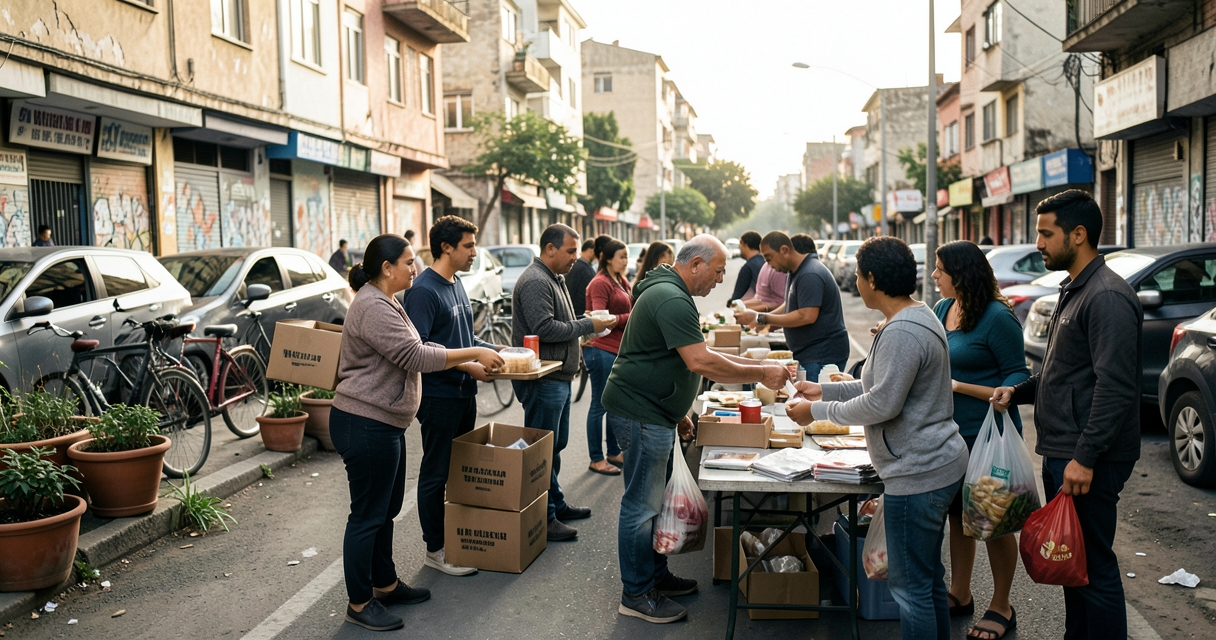
Mutual aid addresses real needs but cannot substitute for organizational forms required to challenge state power. The question is how to incorporate both.
Democratic centralism resolves the contradiction between deliberation and decisive action. The left's organizational failures stem from abandoning this dialectical resolution.
Capitalist hegemony operates through the production of common sense -- unquestioned assumptions about work, property, and merit that make exploitation appear natural as gravity.
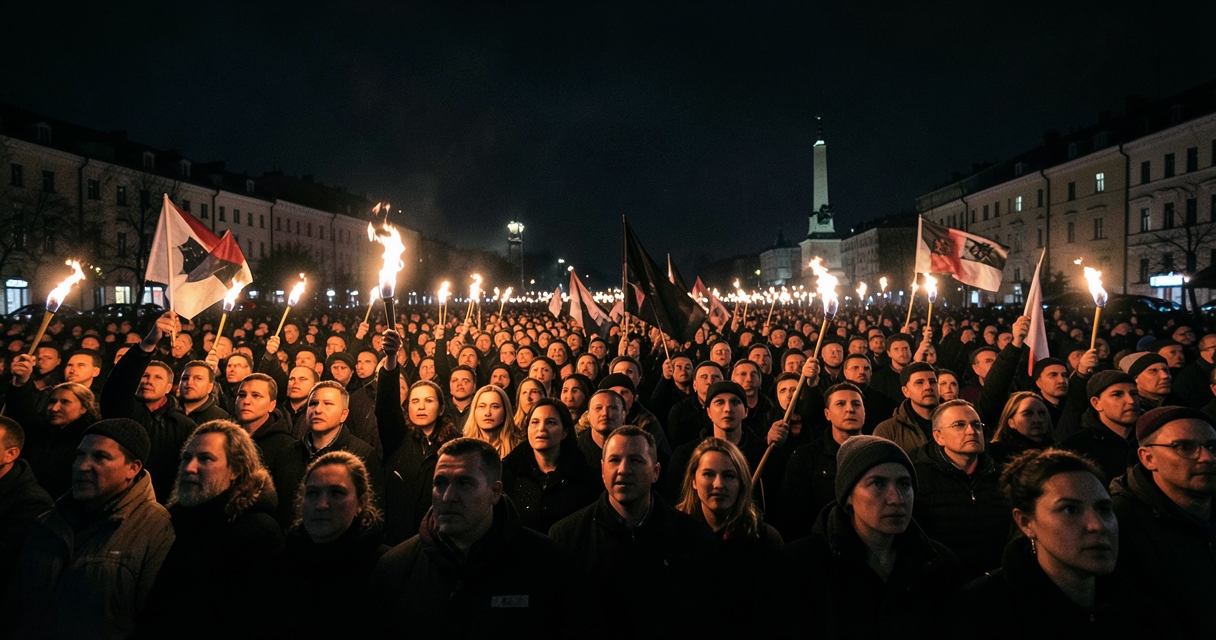
The far right adopted Gramscian cultural strategy while the left treats hegemony as academic concept. This asymmetry explains the right's advance more than economics alone.
Mainstream economics naturalizes capitalist social relations by treating wages, profit, and rent as eternal features of human nature. Its mathematical formalism conceals class interest.
The base-superstructure model describes a dialectical relationship, not mechanical causation. Reducing it to determinism robs Marxism of analytical power where it matters most.
The ecological crisis vindicates Engels's dialectics of nature over Kant's mechanistic separation -- climate breakdown proves nature is not a passive backdrop but an active dialectical participant.
The gig economy deploys both absolute and relative surplus value extraction simultaneously -- extending the working day through algorithms while intensifying labor through app-mediated speed-up.
Capital purchases the worker's capacity at its exchange-value while extracting use-value that exceeds payment. This gap is the material foundation of exploitation.
Commodity fetishism is not a cognitive error correctable by education but a real structural inversion forced by the value-form -- only abolishing commodity production can overcome it.