The Fetish of the Swoosh: How the Athlete Became the Brand That Hides the Factory
Nike reported $51.2 billion in revenue in fiscal year 2023. Michael Jordan alone has earned over $1.7 billion from Nike royalties. Meanwhile, the workers—mostly young women in Vietnam, Indonesia, and China—who stitch the Air Jordan sneaker together earn between $2 and $3 per hour. The athlete is the brand. The brand is the commodity. The worker is invisible. This is not a market inefficiency. It is a structural necessity of late capitalism.
The thesis is this: Nike transformed the athlete from a laboring body into a brand-commodity, completing a circuit in which the exploitation of factory labor is concealed behind the spectacle of athletic achievement. The athlete body becomes the fetish object—the luminous, desirable surface—that obscures the production relations below. The sneaker is a lie made real.
The Athlete as Brand-Commodity: The Reification of the Person
Under neoliberalism, the athlete undergoes a peculiar transformation. They are no longer simply a person who plays a sport for wages. They become a "brand." This is not mere metaphor. The athlete is legally constituted as an intellectual property asset, a revenue stream, a marketing platform. Their name, image, and likeness—once considered inseparable from the person—are stripped, reified, and traded as discrete commodities. The athlete becomes a walking billboard for capital, and in doing so, they themselves become capital.
Adorno would recognize this as a form of cultural industry pseudo-individuation. The athlete appears as a unique, autonomous subject—"Just Do It" is the injunction to self-actualization—but their actual function is identical to every other commodity: to realize surplus value. The "signature shoe" is the material form of this abstraction. The athlete's name stamped on the shoe is not a mark of their labor but of their conversion into a label. They are property that speaks.
The Hidden Abode of Production: Where the Swoosh Is Stitched
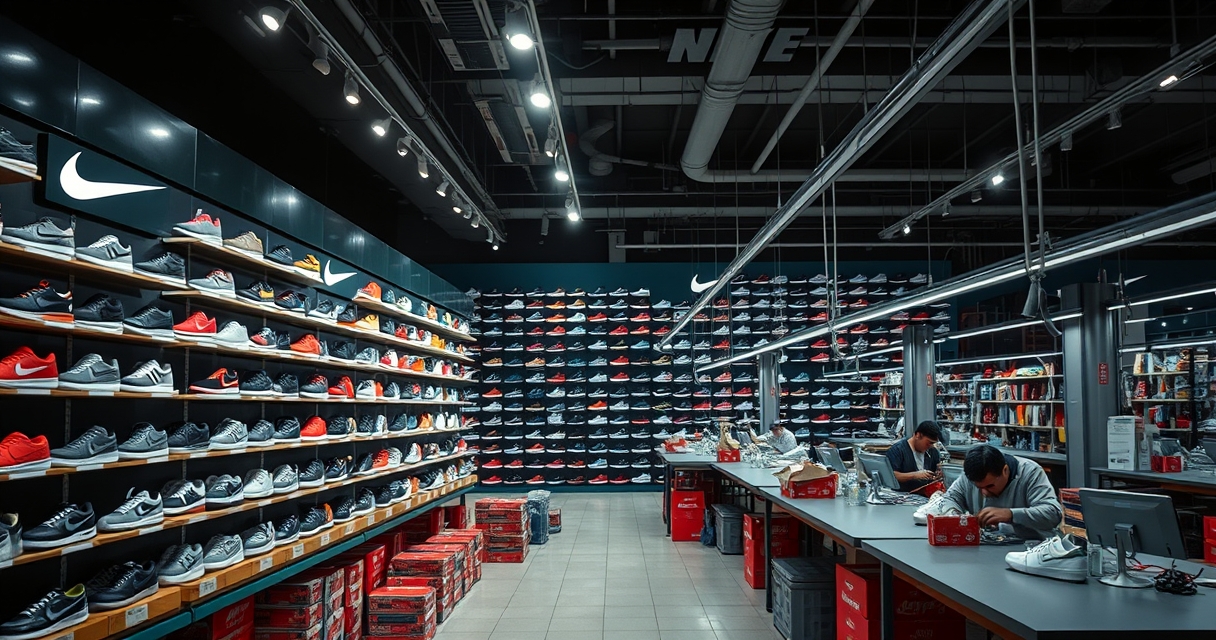
For Marx, the secret of capital accumulation lies in the "hidden abode" of production—the factory floor, the plantation, the sweatshop. Nike's supply chain is the paradigmatic example of this spatial obscuration. The Swoosh is designed in Oregon, marketed globally, and produced in export processing zones where unions are suppressed, wages are below subsistence, and overtime is mandatory. The worker who makes a $200 pair of sneakers earns what amounts to the price of a single meal in the Global North.
This is not an oversight. The entire Nike business model depends on this invisibility. The fetishism of the commodity reaches its apex in the sneaker. It glows, it signifies, it confers status. It is "cool." It is anything but the product of exploited labor. The more luminous the athlete-brand, the darker the production floor must become. The spectacle requires a blind spot.
Racial Capitalism and Athletic Labor: The Body as Commodity-Producer
Cedric Robinson's concept of racial capitalism names the way capitalism has always used racial hierarchy to segment labor and extract surplus value. Nike's model demonstrates this with brutal clarity. The athletes who become brand-commodities are disproportionately Black. They are celebrated as individual geniuses, as proof that the system works. Yet the capital they help generate flows overwhelmingly to white shareholders, white executives, and a white-owned corporate structure.
The Black athlete's body is doubly commodified: first as a laboring body that produces athletic spectacle, and second as a representational asset that sells shoes. Their very visibility is the condition of the worker's invisibility. Individual mobility—Jordan, LeBron, Serena—becomes the ideological proof that capitalism is colorblind. But the system that extracts from the Black athlete and the Vietnamese worker alike is the same system. It is not a ladder. It is a pipeline.
The Ideology of Mobility: Why Individual Success Is Not Liberation
A common counter-argument holds that athlete endorsements provide economic mobility, especially for Black athletes from impoverished backgrounds. This is not false. It is simply not an argument against the critique. Individual mobility does not challenge the structure of exploitation—it provides ideological cover for it. The exceptional athlete who becomes a millionaire is the necessary exception that justifies the rule. It proves that the system is meritocratic, so the workers in Vietnam must simply be unlucky or unskilled.
This is the function of the culture industry: to produce the appearance of individual freedom within a structure of universal unfreedom. The athlete chooses to sign the endorsement deal. They choose to become a brand. But the choice is constrained by the entire architecture of late capitalism, in which the only viable path to wealth is through the conversion of oneself into capital. The athlete does not escape exploitation; they merely become a more highly valued node within it.
The Slogan as Sorcery: "Just Do It" and the Disappearance of Labor
Nike's famous slogan is an ideological masterpiece. "Just Do It" reduces human agency to a naked act of will, stripped of structural context. It tells the consumer that success is purely a matter of effort, perseverance, self-belief. It erases the factory. It erases the supply chain. It erases the racial and gendered division of labor that makes the sneaker possible. It replaces history with a motivational meme.
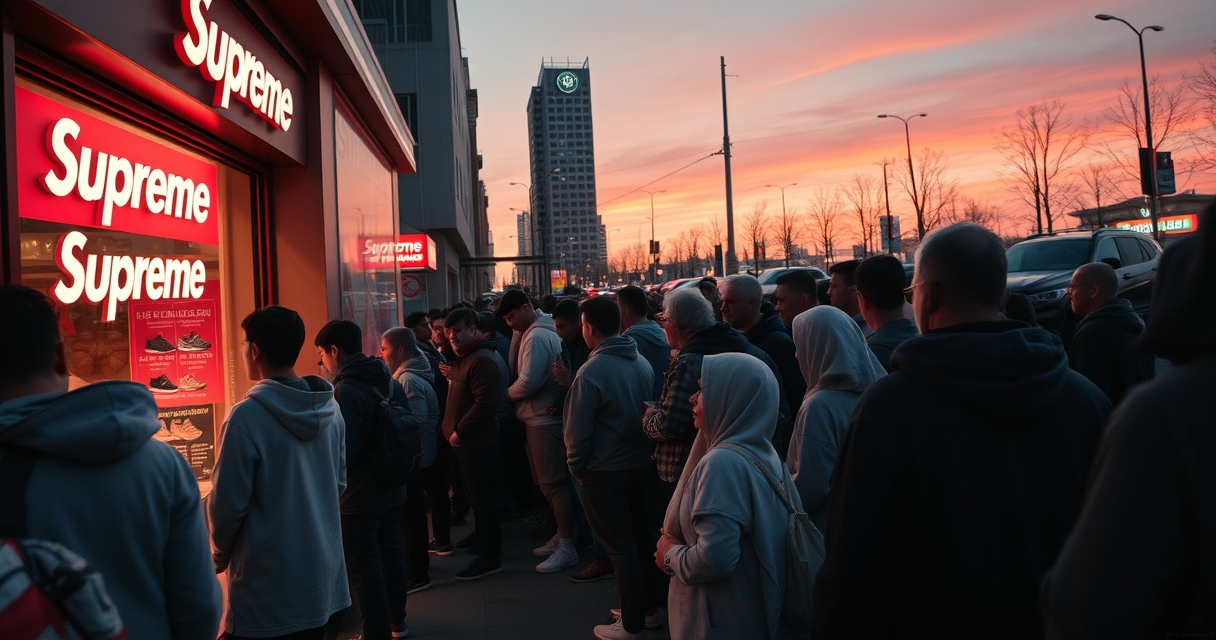
This is commodity fetishism in its purest form. The sneaker appears on the shelf as a thing of wonder, imbued with the aura of the athlete-brand, glowing with the magic of capital. Its actual origin—the sewing machine, the polyester thread, the hands of a woman in Dongguan or Ho Chi Minh City—is rendered invisible. The consumer does not see labor. They see salvation. They see the swoosh.
To wear the sneaker is to participate in a ritual of misrecognition. It is to celebrate one's own alienation.
Toward a Critique of the Athletic Commodity
The athlete-brand is not a bug of neoliberal capitalism. It is a feature. It provides the ideological lubrication for a system that requires vast amounts of exploited labor to function. The sneaker is the commodity fetish of the twenty-first century: a manufactured object that conceals its own production, glowing with the stolen light of labor.
A genuine critique must go beyond demanding higher wages for factory workers or better contracts for athletes. It must challenge the very structure in which human beings—athletes and workers alike—are reduced to inputs in a process of capital accumulation. The goal is not a better deal within the commodity system but the abolition of the commodity form itself. Until then, the swoosh will remain what it has always been: a brand name for exploitation.
We must learn to see the worker in the shoe. And then we must refuse to wear it.
Read more:
Commodity fetishism is not a mistake, it is the system working perfectly
The political economy of identity: How markets co-opt liberation
DEI as ideological cover: How diversity programs maintain the structure